
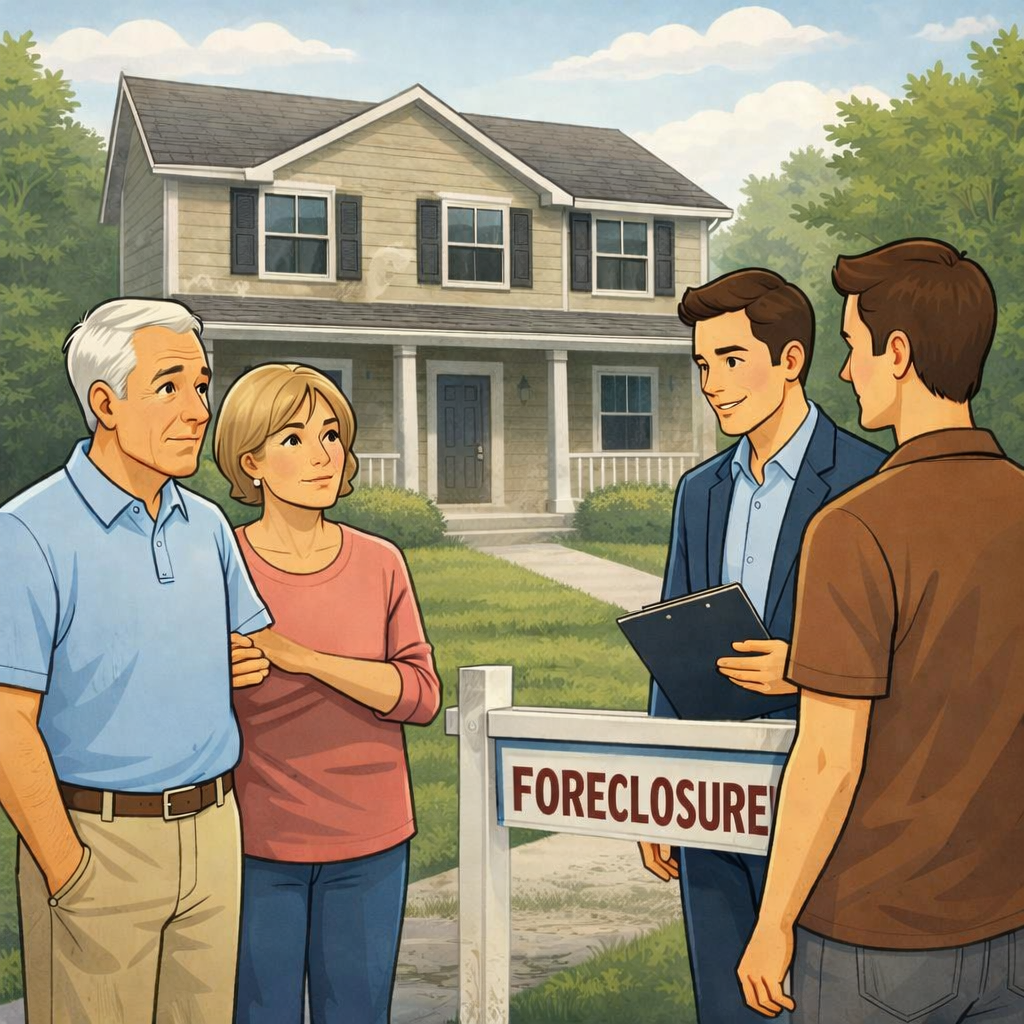

Facing Foreclosure?

Foreclosure is stressful, but you don’t have to go through it without support. If you’re worried about losing your home, you still have time and you still have options. Leverage Homes works with homeowners to sell during foreclosure, easing the pressure and guiding you toward a better outcome.


A direct cash sale often gives homeowners in foreclosure a faster, more reliable way out. Partnering with Leverage Homes lets you take back control of the timeline and avoid rushed, last‑minute decisions.

Facing Foreclosure? We Can Help!

Let us show you how our team can make your sale a seamless one.


We Handle Everything

From fixing issues to navigating legal documents, we take on every hassle so you can stay stress‑free.

 
No Fees

No sneaky charges or added commissions — your entire cash offer stays in your pocket.

 
Close Quickly

Choose the timeline, close when it suits you, and get your cash without delay.

Frequently Asked Questions

Yes — in most states you can sell your home up until the foreclosure is officially completed. Selling early can stop the foreclosure, prevent additional legal fees, and avoid the long-term credit damage. If the sale pays off the mortgage, the lender typically cancels the foreclosure.

Foreclosure timelines in the United States vary by state, but most fall between 3 to 12 months from the first missed payment to the final auction or sale.

During this entire period, homeowners typically still have the right to sell the property, reinstate the loan, or pay off the balance to stop the foreclosure.


A completed foreclosure can significantly lower your credit score and remain on your report for up to 7 years. Selling before the foreclosure is finalized — even if you’re behind on payments — usually results in far less damage and may help you recover financially much faster. This is why it’s important to sell your house as early as you can in the foreclosure process to prevent it effecting your credit score.

If the sale doesn’t cover the full mortgage balance, the remaining amount becomes a deficiency balance. Depending on your state’s laws and the lender’s policies, the bank may:

  • pursue the deficiency,

  • forgive it, or

  • negotiate a settlement.

Short sales often include negotiations to reduce or eliminate this remaining debt.